Metal decides how a piece ages, and it decides what a repair will cost. Because fine jewelry metals behave so differently over ten years, the choice matters more than the price tag suggests. Therefore it is worth knowing what each one does.

Platinum wears rather than wears away
Platinum is dense, and it holds stones securely. However, its real difference is what happens when you scratch it. Gold loses metal at a scratch, while platinum pushes it sideways into a ridge. As a result, a platinum ring keeps its weight and develops a soft grey patina instead.
Meanwhile that density makes platinum heavier on the wrist. For example, a platinum dress watch feels quite unlike the same case in gold.
Gold, and what the carat actually tells you
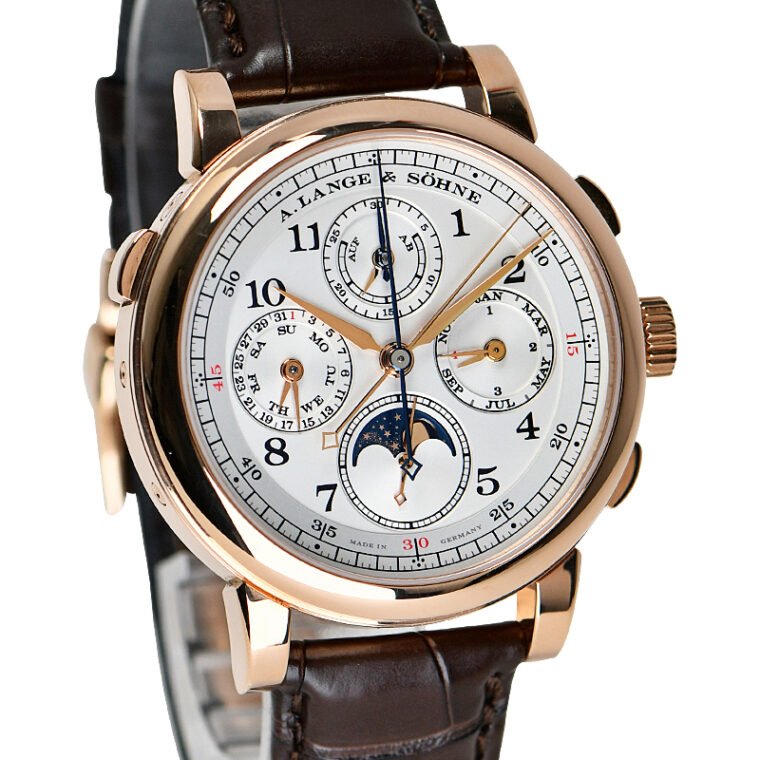
Pure gold is soft, so jewellers alloy it. 18 carat gold is three-quarters gold, which balances colour against hardness. Because a hallmark records that fineness independently, the Assay Office is worth reading before you buy. Similarly, rose gold takes its colour from copper, and white gold usually carries a rhodium plating over a pale yellow alloy.
However, rhodium wears off. Consequently a white gold ring warms in tone after a few years, and it needs replating rather than repair. In short, ask when a white gold piece was last plated.
Titanium, carbon and the modern case materials
Titanium weighs about half what steel does, and it does not irritate most skin. However, it scratches more readily, and those scratches are harder to polish out. Therefore titanium suits a watch worn daily rather than a ring worn beside a diamond.
Carbon composites go further. For instance, Carbotech marbles each case differently, so no two look alike. Above all, these materials trade repairability for lightness.
Matching fine jewelry metals across a collection
Mixed metals sit together well, provided the hardware agrees. For example, a two-tone bracelet already sets the rule for everything worn beside it. Meanwhile, softer alloys wear faster where two pieces rub, so keep a hard bangle off a soft one.
Fine jewelry metals in stock now
Below are examples available as we publish. However, each one is a single unit, so stock moves quickly.
- Rolex 1908 Ice Blue Dial 39mm Platinum
- Rolex Datejust 28mm Diamond-Set
- Ulysse Nardin Freak X OPS 43mm
- Panerai Submersible QuarantaQuattro 44mm
Meanwhile, you can browse the jewellery collection and the watch collection, or read what to check on a pre-owned watch next.
To see how the metal choice plays out on two classic watches, compare the Cartier Tank or Santos in gold and steel.
Common questions
Which of the fine jewelry metals lasts longest?
Platinum, because it keeps its mass as it scratches. However, it needs occasional polishing to look new rather than settled.
Does white gold turn yellow?
The plating thins and the alloy beneath shows through. In short, it warms rather than yellows, and replating resets it.
Is titanium worth paying for in a watch?
Yes, if you notice weight on the wrist. Meanwhile, expect visible scratches sooner than on steel.


1 response